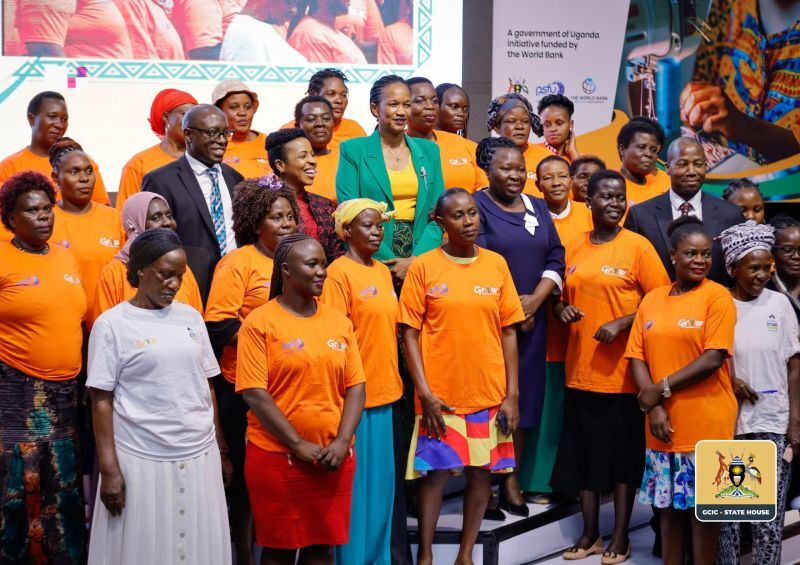
International Women’s Day (IWD), celebrated annually on 8th March, is a global day dedicated to recognizing the social, economic, cultural, and political achievements of women and girls around the world. It is also a powerful call to action for accelerating gender equality. The day brings together governments, civil society, private sector institutions, development partners, media houses, and communities to reflect on progress made, identify persistent gaps, and renew commitments toward empowering women and girls.
The origins of International Women’s Day trace back to the early 20th century, with roots in women’s labor movements in North America and Europe. In 1975, the day was officially recognized by the United Nations during International Women’s Year. Since then, the United Nations has provided global themes each year to guide advocacy, dialogue, and action. These themes often focus on critical issues such as equal pay, women’s leadership, ending gender-based violence, access to education, digital inclusion, and climate justice.
Governments around the world play a central role in organizing national commemorations. In Uganda, for example, the Ministry of Gender, Labour and Social Development leads the coordination of national celebrations, working closely with local governments, ministries, departments, and agencies. These commemorations usually include official ceremonies, speeches by national leaders, exhibitions, community dialogues, and recognition of outstanding women who have contributed significantly to national development.
Civil Society Organizations are also key drivers of International Women’s Day activities. Women’s rights organizations, community-based groups, youth networks, and advocacy coalitions organize marches, workshops, media campaigns, and public discussions to raise awareness about gender equality and women’s empowerment. International development partners such as UN Women, UNICEF, and UNDP collaborate with governments and NGOs to support programs that address barriers faced by women and girls. These organizations provide technical support, funding, research, and policy guidance to ensure sustainable progress.
The private sector also increasingly participates in International Women’s Day by promoting workplace equality, supporting women entrepreneurs, and investing in corporate social responsibility initiatives. Many companies use the day to launch mentorship programs, leadership training for women, and policies that promote work-life balance and equal opportunities. Educational institutions, from primary schools to universities, conduct debates, essay competitions, and awareness campaigns to inspire young girls and boys to champion gender equality.
Religious institutions and cultural leaders contribute by advocating for positive social norms and values that uplift women and discourage harmful practices. Media houses amplify the voices of women leaders, innovators, and grassroots activists, helping to shape public discourse and highlight success stories. Social media platforms further expand the reach of International Women’s Day messages, engaging global audiences in conversations about rights, inclusion, and empowerment.
Ultimately, International Women’s Day is more than a celebration; it is a movement. It reminds the world that achieving gender equality requires collective responsibility. When governments enact gender-responsive policies, when organizations create inclusive workplaces, when communities challenge discriminatory norms, and when individuals support and respect women’s rights, meaningful transformation becomes possible. International Women’s Day therefore stands as a symbol of solidarity, progress, and hope—a day when the world unites to ensure that women and girls everywhere can live with dignity, opportunity, and equal rights.